Department of Chemistry Bids Farewell to Two Instrumentation Stalwarts
Department of Chemistry Bids Farewell to Two Instrumentation Stalwarts
August 2026
The Department of Chemistry is marking the end of an era this month as two long-serving members of its instrumentation staff, Bob Shanks and Martha Vestling, retire after decades of dedicated service supporting research across campus.
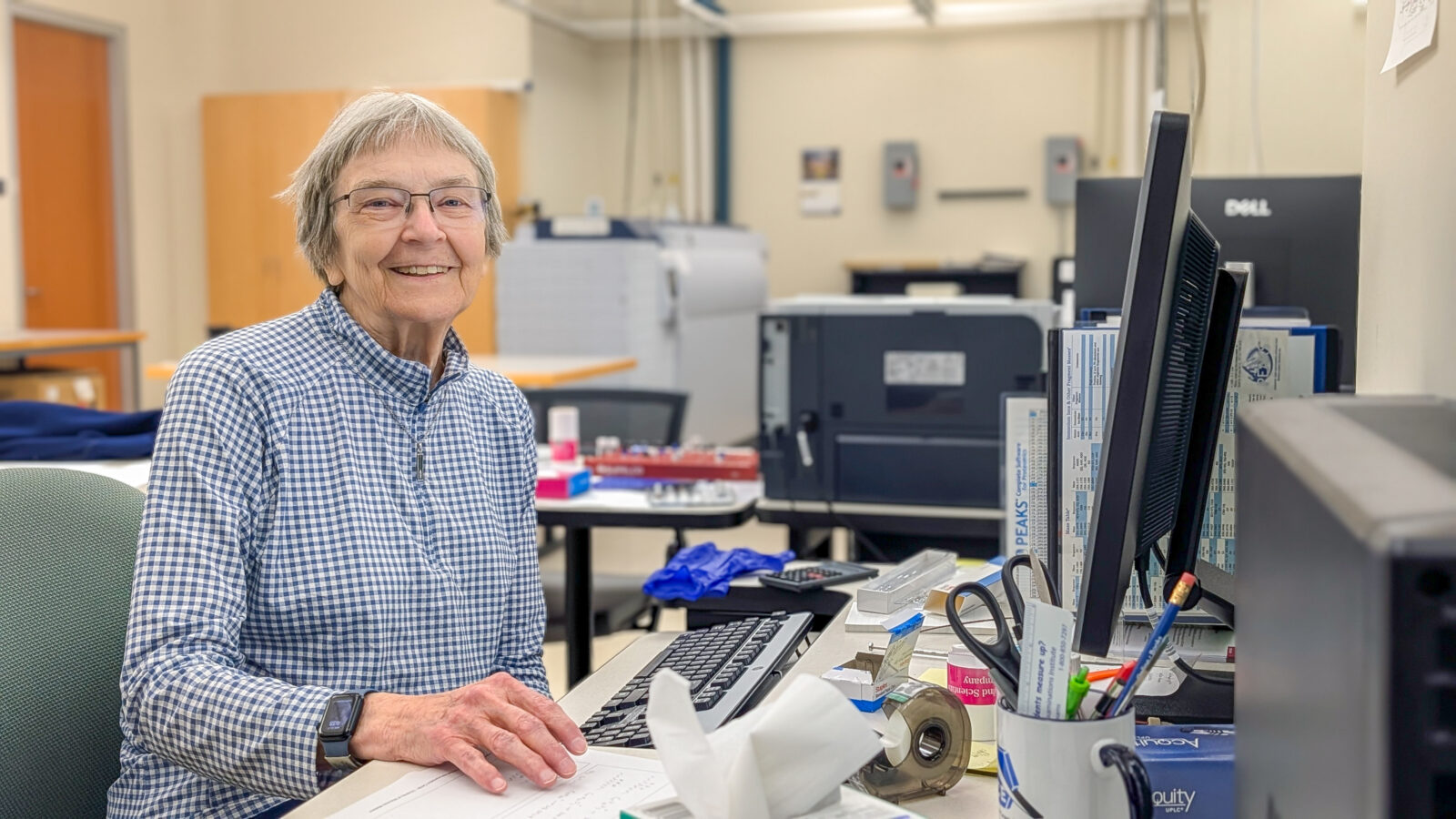
Vestling joined the department in late December 1996 as the new Director of Mass Spectrometry, splitting her first year between the mass spectrometry labs at the DuPont Experimental Station in Wilmington, Delaware, and UW–Madison. She came to Wisconsin from the University of Delaware, where she had worked with Prof. Murray V. Johnston developing expertise in electrospray ionization of proteins using triple quadrupole and Fourier transform ion cyclotron resonance mass spectrometers. Her path into the field had started somewhat by chance: while teaching undergraduate chemistry at the State University of New York College at Brockport, she took a sabbatical leave in 1989 that drew her into mass spectrometry research — before that, her only experience had been some GCMS work on small organic molecules. She held a Research Associate Professorship at the University of Maryland Baltimore County for seven years, working with Prof. C. Fenseau, before her Delaware post. Vestling holds an A.B. in chemistry from Oberlin College and a Ph.D. in chemistry from Northwestern University, where she worked with Prof. F. Bordwell. Over her career, she trained generations of graduate students and postdocs in techniques spanning EI, ESI, and MALDI mass spectrometry, and her contributions to the field were recently recognized with the Al Yergey Mass Spectrometry Scientist Award.
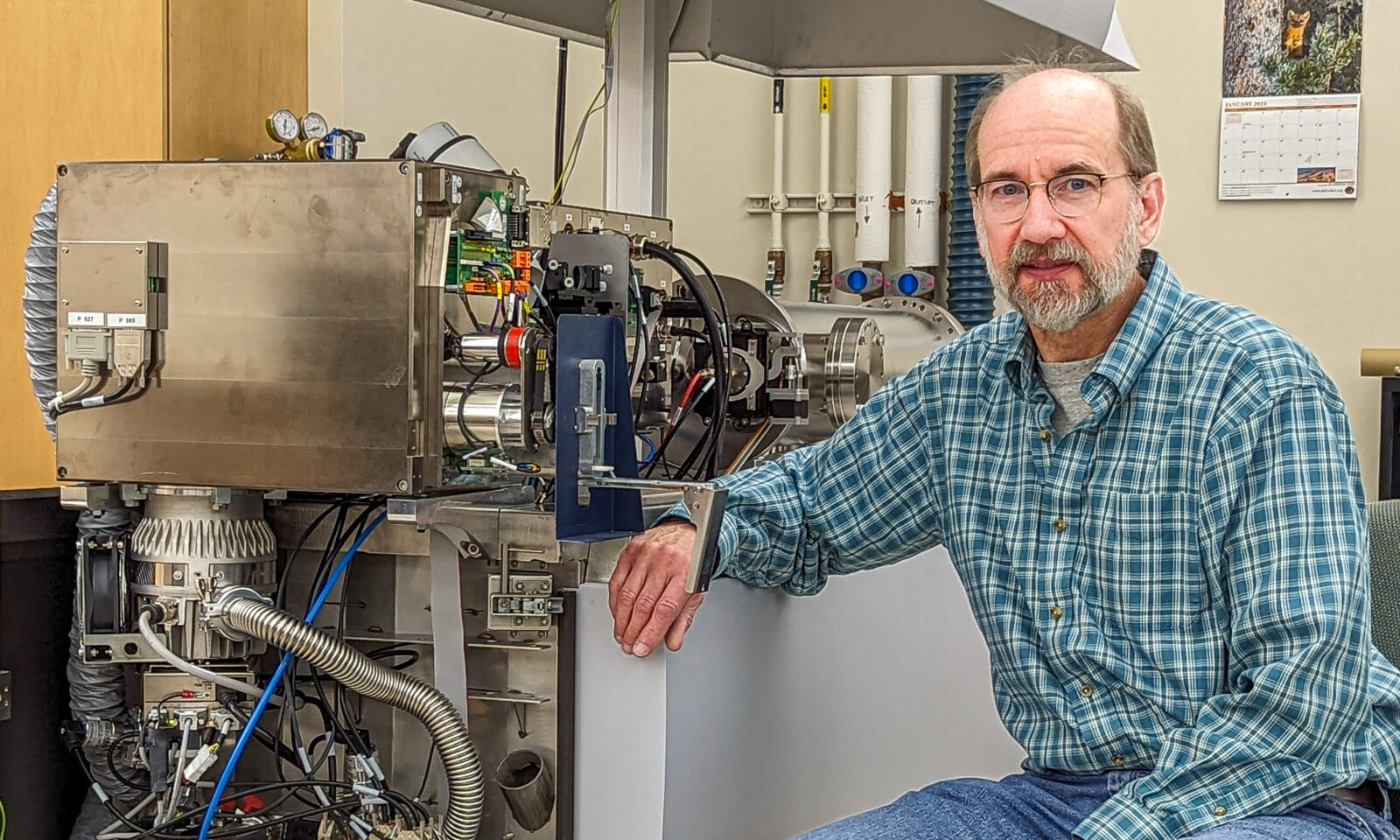
Shanks began his UW–Madison career in June 2003 as NMR Instrumentation Technologist in the Chemistry Instrument Center. A Wisconsin native originally from Portage, he earned his B.S. in Physics and went on to receive his Ph.D. in Applied Science from the University of Arkansas at Little Rock in 1995, supported in part by a NASA Graduate Student Researchers Fellowship. His graduate studies focused on the design of analytical instrumentation applied to combustion processes. Before returning to Wisconsin, he spent eight years in industry, first conducting research on energetic materials and later working as a manager and consultant for the electronics manufacturing industry. That blend of research and hands-on industrial experience served him well over two decades, keeping the department’s shared analytical instruments running and accessible to researchers.
Together, Shanks and Vestling represent the kind of quiet, sustained dedication that keeps a research department running: not the labs that generate headlines, but the instrumentation, training, and troubleshooting that make every headline-worthy discovery possible.
The Department of Chemistry thanks them both for their years of service and wishes them well in retirement.